
- Home
- Tours
- Umrah By Bus
- Dubai Visa
- Holiday Packages
- Vehicle Types
- About Us
- Contact
While worldwide, Dubai is recognized as a ‘futuristic’ skyline and luxury living, there is more to Dubai than sky- skyscrapers, and Dubai does indeed have history. Dubai is more than a playground of high-rises, with a traditional mosaic of ancestral heritage and a remarkable evolution from a tiny fishing port into a global metropolis.
This guide will lead you through a curated list of cultural and historical destinations that provide a glimpse of the cultural side of Dubai- one of tradition, creativity, and eternal customs.

The oldest part of the city, Al Fahidi, represents Old Dubai, relatively intact. Its narrow twisting lanes let you pretend – just for a moment – that traditional Emirati lifeways held sway. It is all about wind-tower houses, peaceful courtyards, and the charm of an atmosphere disconnected from the pace of urban life. You will also find art galleries, delicious little cafes, and the Sheikh Mohammed Centre for Cultural Understanding, where it is entirely possible to experience local culture.
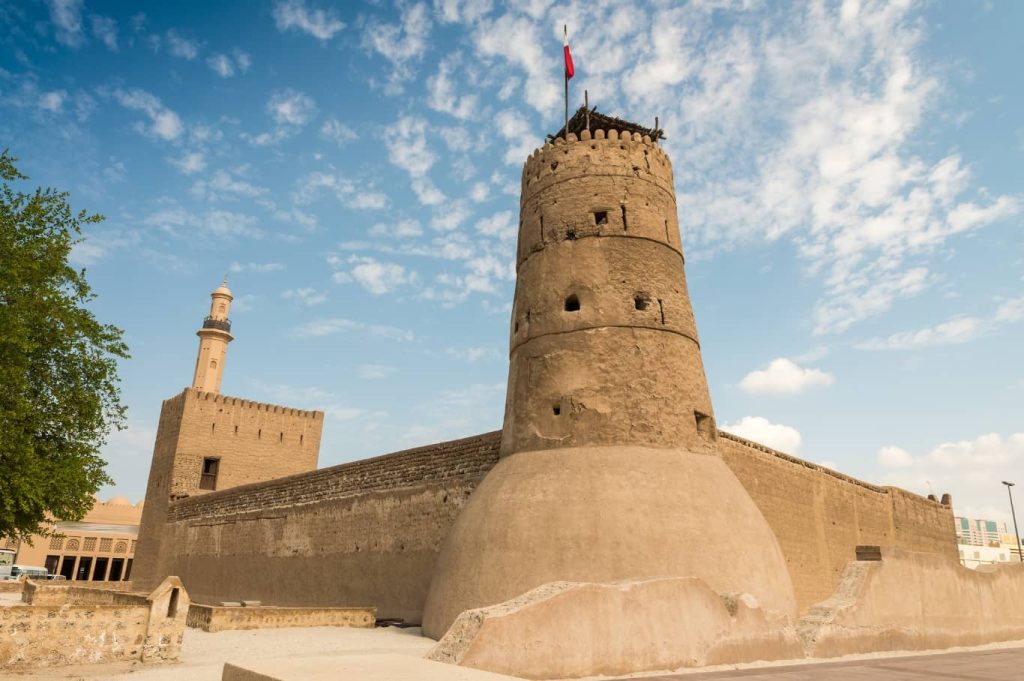
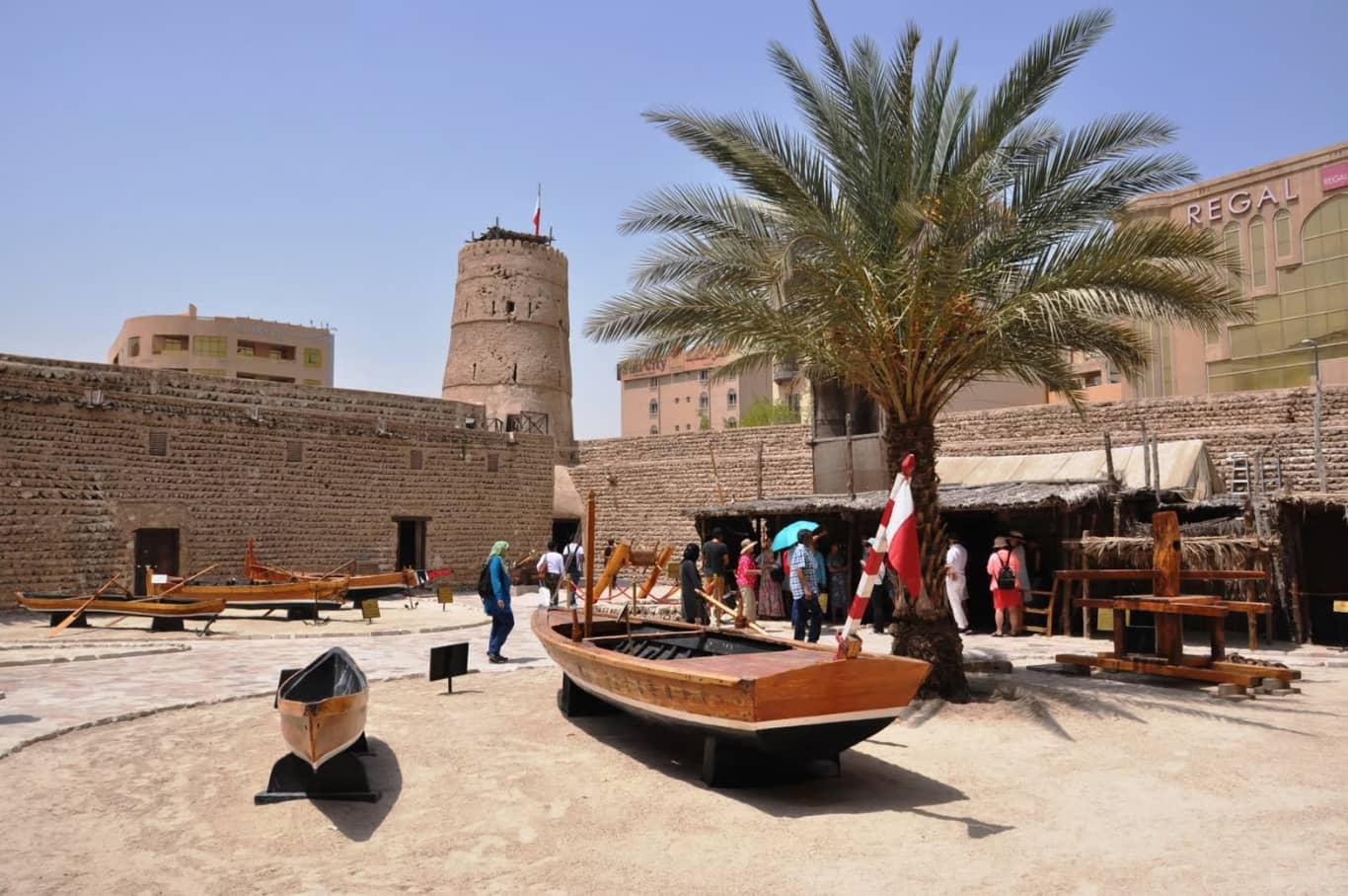
Located in the old Al Fahidi Fort, the Dubai Museum is the oldest building in the city and the most important cultural institution. The Museum gives a detailed account of how Dubai transitioned from a small pearl-diving and trading port to the current city. With life-size dioramas, interactive displays, and historical artefacts, you can explore the daily life of early inhabitants and learn about Dubai’s colorful past.
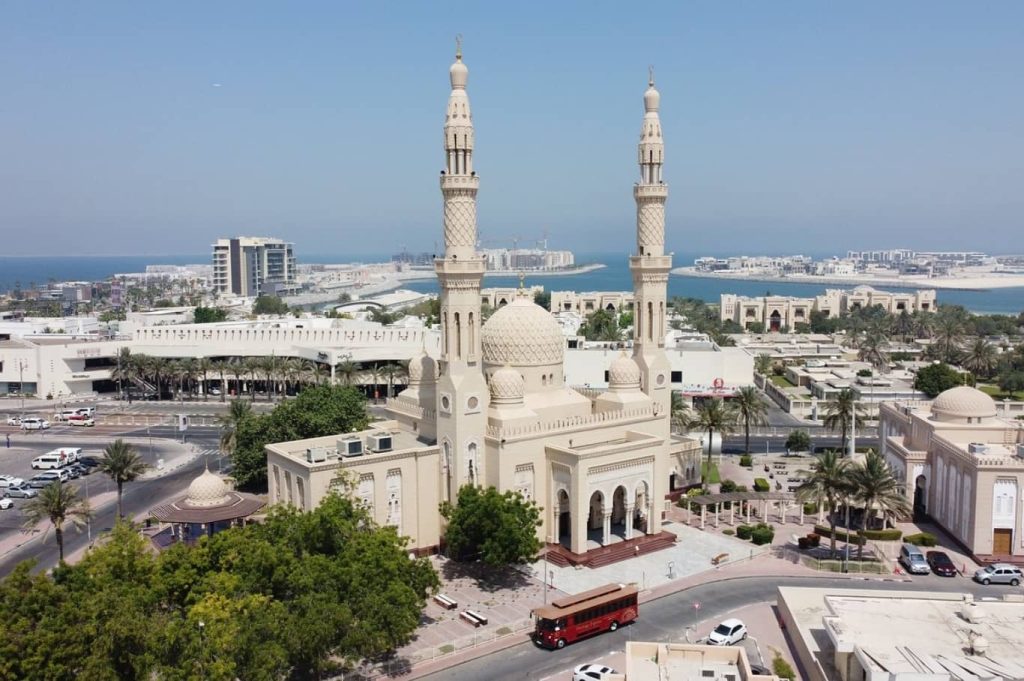
The magnificent Jumeirah Mosque is a beautiful example of Islamic architecture and one of the few mosques in Dubai that allows non-Muslim visitors. The mosque-constructed out of careful detail and designed in white marble, is extraordinary in its visual beauty and has a tranquillity that makes it a perfect setting for understanding Islamic culture and traditions. It offers guided tours of the mosque that help visitors appreciate the importance of the mosque and its place in the community.
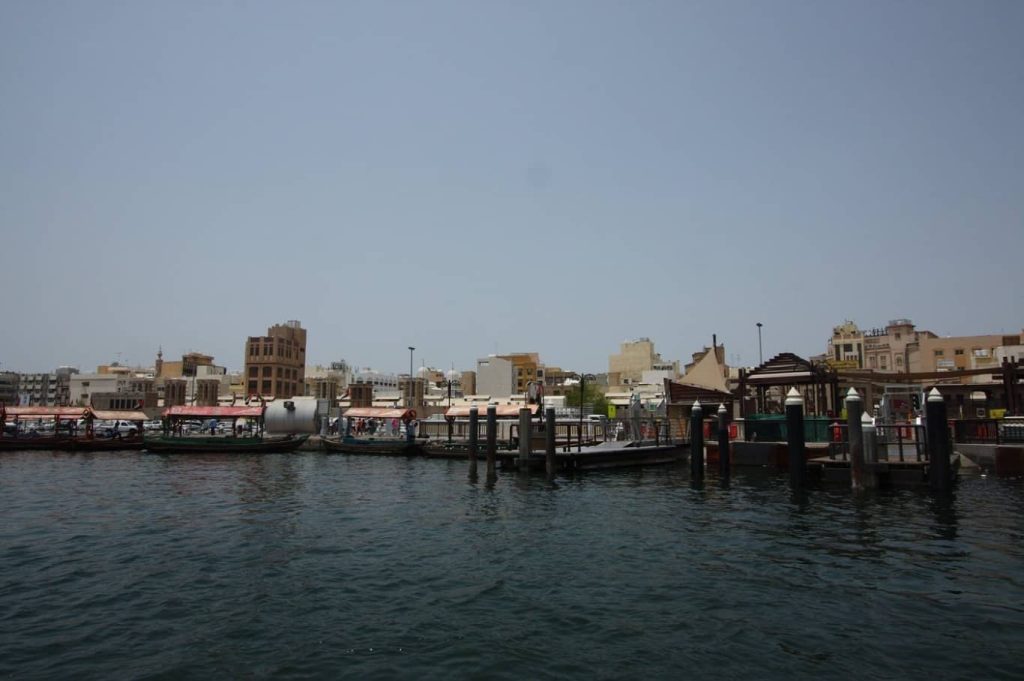
For hundreds of years, the Dubai Creek has been the heartbeat of the city and its center of trade and commerce. The best way to appreciate the importance of the creek is to take a traditional boat (abra) across the creek. The trip is quick, but the views are incredible. You will see Dubai’s ancient district on one side, which includes the Gold Souk and Spice Souk, and Dubai’s sleek, modern skyscrapers on the other. An essential inclusion for any thorough city tour of Dubai.
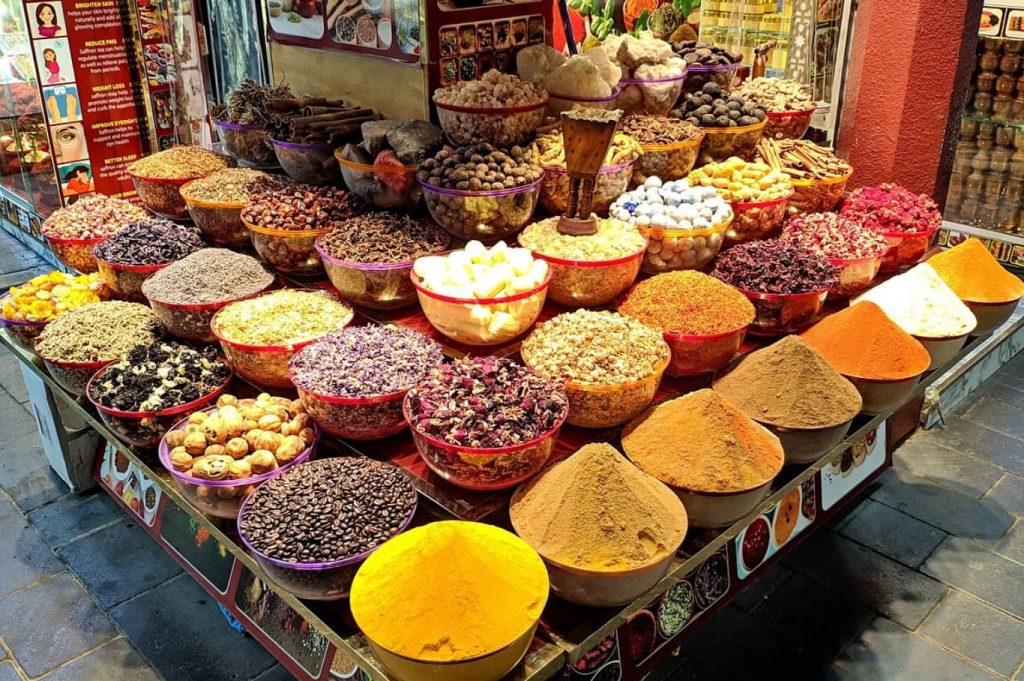
The experience of venturing through Dubai’s souks is one of the few experiences that awaken the senses. The Gold Souk dazzles with all that glitters and glimmers in the skies of gold, while the adjacent Spice Souk fills the ether with scents of mercurial spices, herbs, and frankincense. A souk is a traditional market where shopping comes with a slice of Dubai’s trading past, and is an important part of the cultural identity of Dubai.
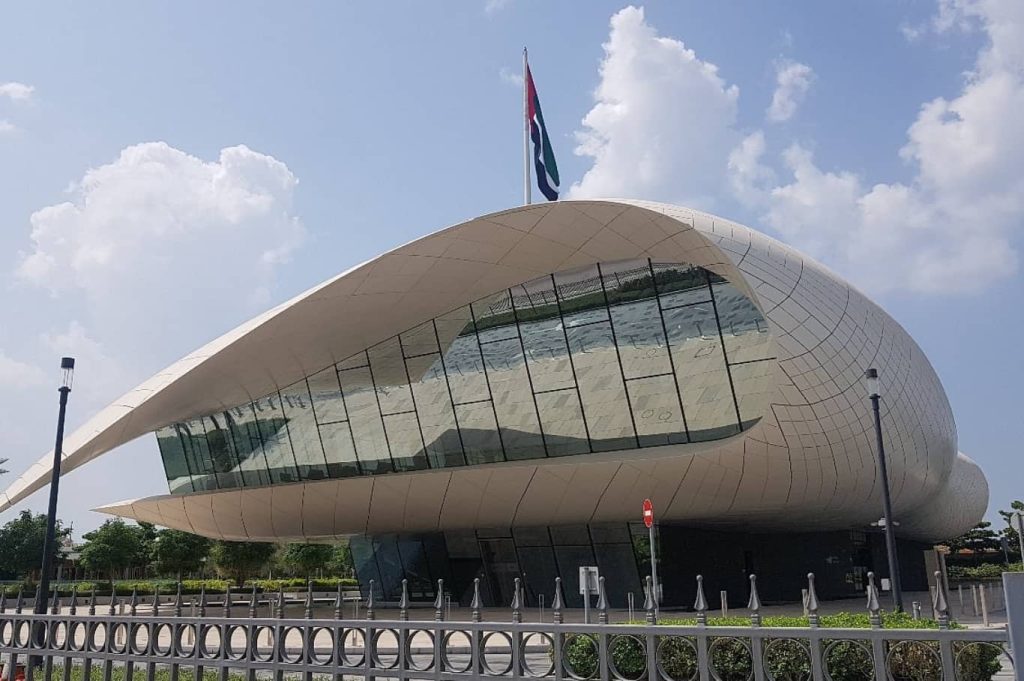
The Etihad Museum showcases the history of the United Arab Emirates, and the museum exhibits the country’s formation in 1971. The museum’s modern and pleasing design complements the informative and interactive exhibit features, which illustrate how the seven emirates united to form one nation.
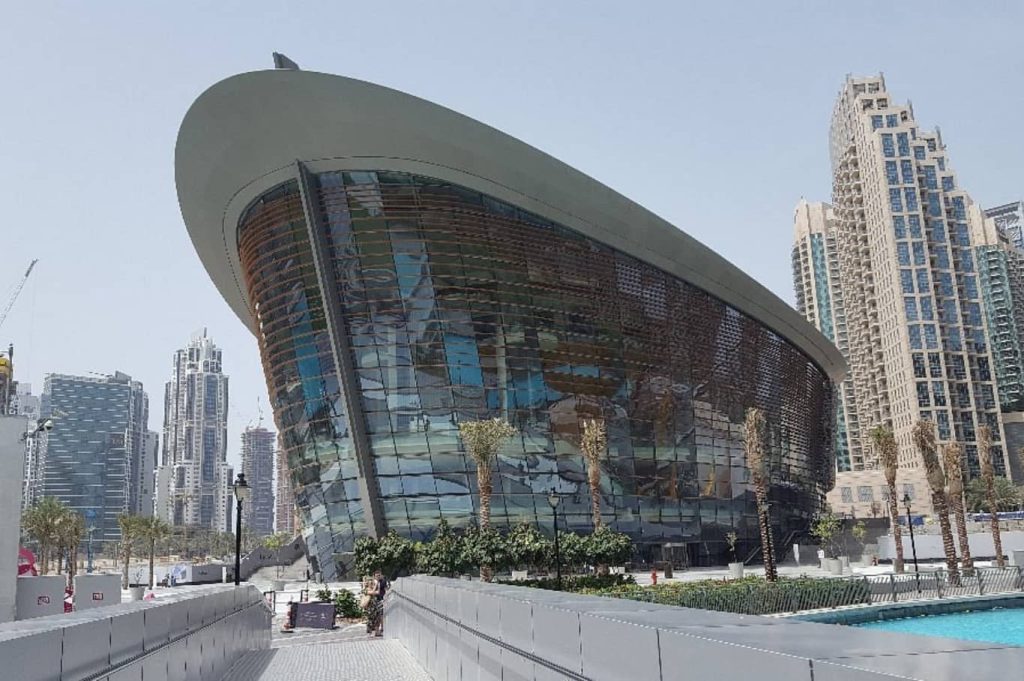
Recognized as a piece of architectural inspiration from an archaic dhow boat, the Dubai Opera represents the commitment the city has to the arts and culture; it is many things, but above all, a magnificent building. Furthermore, it is much more than that; the Dubai Opera is among the best performing arts venues in the world, hosting a diverse number of performances, from opera, ballet, to concerts and theatrical shows. It is also a modern landmark that demonstrates where traditional architecture meets modern art.
If you want to explore the sites without relying on the everyday for the experience of touring Dubai, consider a Limousine rental in Dubai. You may also want to consider a Dhow Cruise – either on Dubai Creek or Dubai Marina – to experience a cultural adventure. It is also important to add a desert safari in Dubai to your trip, which will include a few cultural shows and generally a traditional dinner as well – this offers an overview of what Emirati heritage is. Many of the various tour operators even have private yacht tours, so you can view the city’s coastline from a luxury perspective.
We’re here to help! Contact us today for inquiries about hotel bookings, visa services, tours, and custom holiday packages. Our team of travel experts will work with you to create the perfect holidays experience.